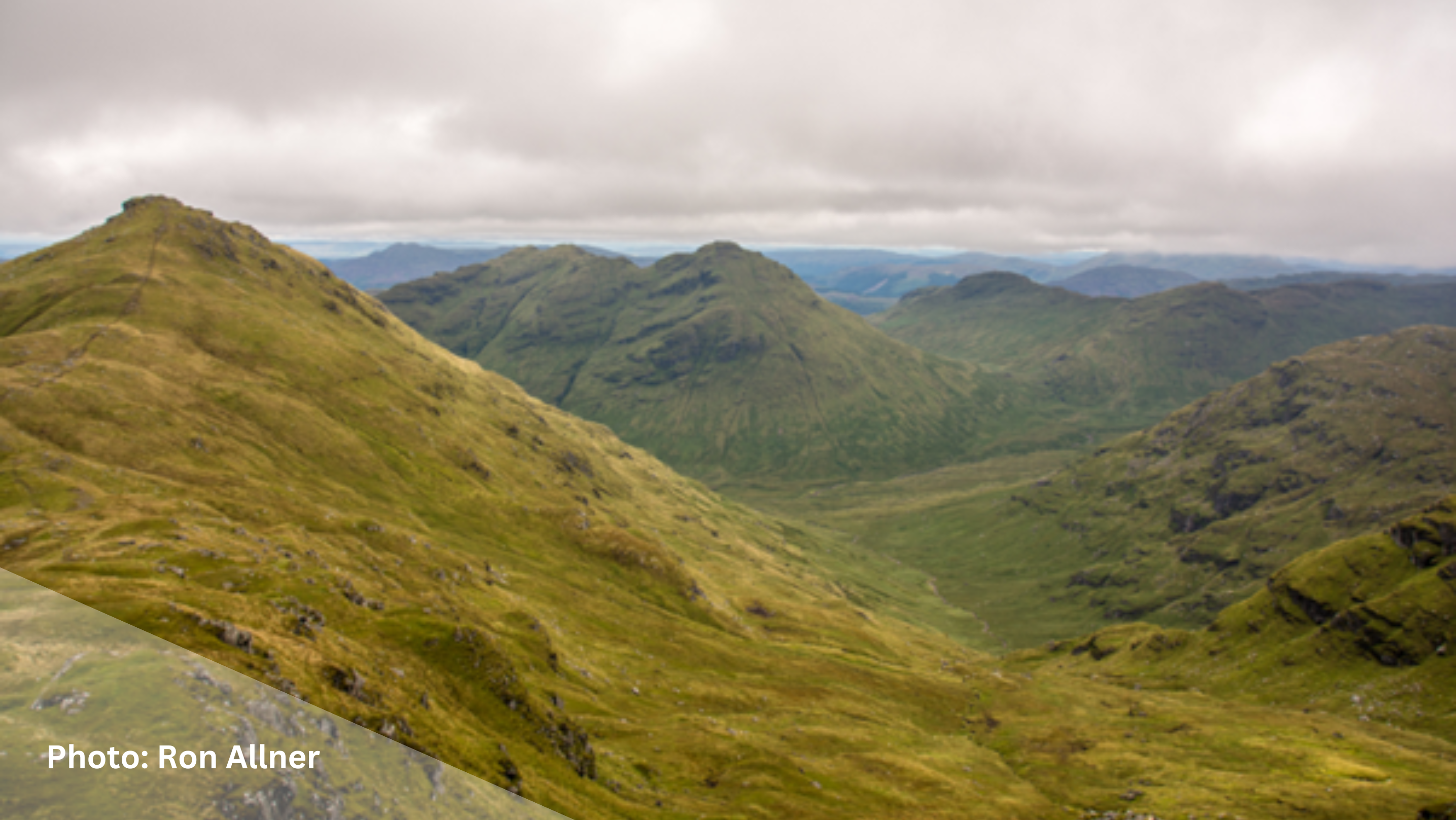

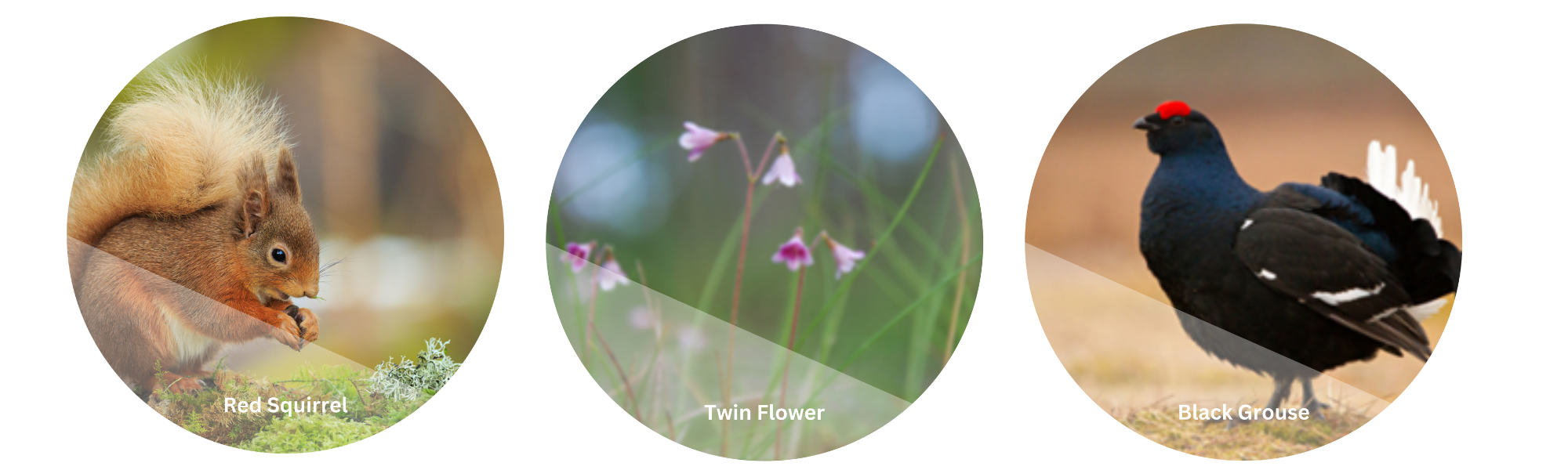
Loch Lomond and The Trossachs National Park is home to some of Scotland’s most iconic wildlife. Among mossy glens, Oak woodlands and Caledonian Pine Forest you may be lucky enough to glimpse the likes of Red Squirrels, Pine Martens, Redstarts and Wood Warblers. The Park’s lochs and winding waterways are frequented by Ospreys and Otters, whilst its magnificent, rugged Highlands are patrolled by Red Deer, Black Grouse, Golden Eagle and Ptarmigan, as well as supporting some of Britain’s rarest plant life.
Despite its biological richness, many of the species within the National Park face pressures such as overgrazing, habitat loss and climate change. Unless we act soon, we face the very real threat of losing them entirely. We are currently facing a global biodiversity crisis, in addition to the climate emergency. 48% of Scotland’s species have undergone population declines between 2009 and 20191 and 11% are threatened with extinction2. We need to act now to restore habitats and create a resilient, connected and thriving landscape across the National Park that will help species to recover.
Thankfully, the need for urgent action is being addressed at policy level, which will help to ensure work is delivered on the ground. In December 2022, a historic deal was agreed at the 2022 UN Biodiversity Conference (COP15) and signed by almost 200 countries to protect 30% of the planet’s land and water by 2030.
Closer to home, The Loch Lomond and The Trossachs National Park Authority has recently published its Future Nature Strategy, which calls for doubled nature restoration efforts to help combat the biodiversity and climate crises in the National Park through partnership working, nature-based solutions and landscape-scale nature restoration. Targets include reversing biodiversity declines in the National Park by 2030 and ensuring widespread nature restoration across the park by 2040.
The Countryside Trust’s new nature restoration project, Wild Strathfillan, will be key in helping to deliver the park’s Future Nature Strategy, alongside The Great Trossachs Forest, a partnership project working to restore 16,000 hectares of habitat in the east of the National Park.
The Countryside Trust aims to restore important habitats and wildlife within the National Park and help to conserve and improve its landscape and ecology, for people and for nature.
Together, we can help to secure the future of the unique and special wildlife that calls this place home. Find out how you can support our work here.